
Social Media Privacy: How to Secure Your Identity and keep social life.
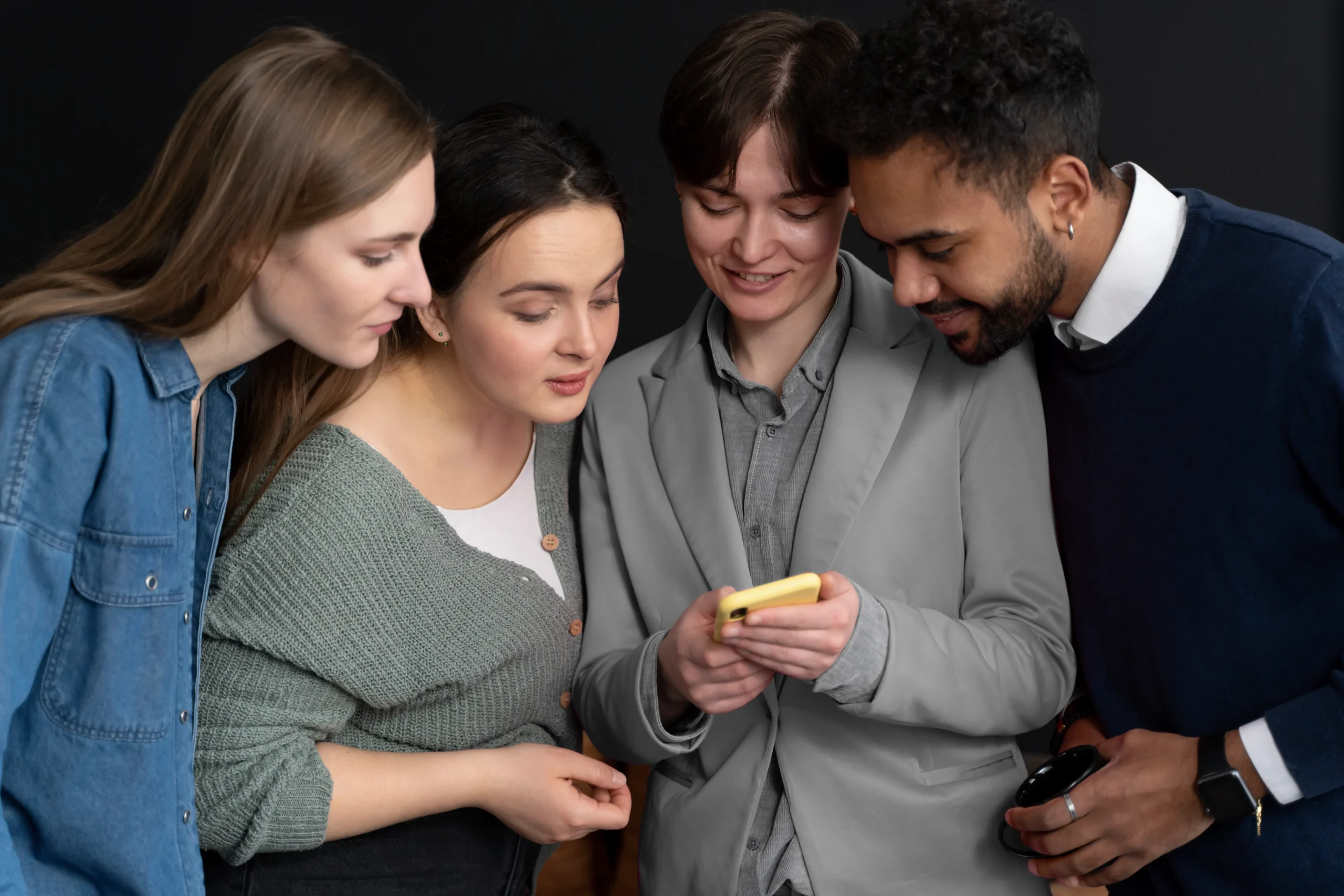
The use of social media is now a normal aspect of life in the modern world, yet most individuals overlook the fact that social sites are not only entertainment applications, but identity databases in which the personal data of users is gathered, monitored, and even abused. People post photos, connections, statuses about their lives, their locations, professional life, and personal achievements and do not even think that all this information can be assembled to form a complete identity portrait. Privacy awareness gives us the idea that social media safety does not mean getting rid of social media, but using it within well-defined limits. You have to protect your privacy, not automatically, by intelligent settings and selective sharing behavior. Risk is controlled by the visibility.
The leaving profiles completely open is one of the most common social media privacy errors. Strangers can see your profile photos, posts, story highlights, comments, followers, and even contact information on the public profile. This renders identity harvesting simple to fraudsters. They are able to gather name, place of work, education, friends and family links and use this to perpetrate successful fraud by using this to run convincing fraud.An open profile is still a risk as the information will always be available even though you do not post daily. The first step to privacy is exposure reduction.
Another significant threat is oversharing, in particular, real-time sharing. Due to many users sharing traveling photos when they are not in the location yet, sharing check-in information, or sending live updates on their whereabouts and what they are doing, the awareness of privacy teaches delaying, posting after they have left the place. It is also advisable not to display the front of your house, house number, street name or any other location identifiable information in the background. Minor adjustments in posting habits bring about significant safety increment.
The other risk that is not obvious is personal information that manifests indirectly in photographs. Indicatively, when a user takes a selfie, he/she inadvertently captures ID cards, office badges, airline boarding passes, school cards, delivery labels, or vehicle number plates in the background. Social engineering can be based on even minor details, where the fraudsters act as though they are familiar with you. Privacy awareness promotes pre-checking of photos before uploading them and covering sensitive sections. Details can be removed using blur tools. It is not to get scared but to get disciplined. The careless visual exposure generally results in the loss of digital privacy.
Privacy risk may also be caused by friend lists and followers. In the event that your follower list is open, scammers are also able to research your social network and select victims with ease. They are able to spy on you and send money to your friends.Privacy awareness pushes towards the minimization of the visibility of followers and to remove the unknown followers on a regular basis and also not to accept the request of strangers even when they have mutual connections. Most frauds start with some friendly contact and gradually develop into fraud. Pure lists of followers minimize risk.
The scam of impersonation is highly prevalent in the social media. The fraudsters make such accounts using your photographs and name, and send the messages to your friends and family seeking funds, OTPs or emergency assistance. A number of people become victims of these scams since they rely on who the identity portrayed in the profile photograph is.Another way of making your profile photo less stealable is to use privacy settings. Your network and you have a shared responsibility of identity protection.
Finally, social media privacy is concerned with intelligent limits. You do not need to reveal everything to enjoy the social media. Being happy does not require you to reveal personal information. Privacy awareness explains that it is not radical to protect your identity but rather responsible. By limiting exposure, you minimise risk of scams, minimise tracking as well as safeguard your reputation. Social media must be in your favour rather than in your disfavour. Conscious habits allow enjoying the digital life and being socially connected.